What Is the Bicentennial Quarter?
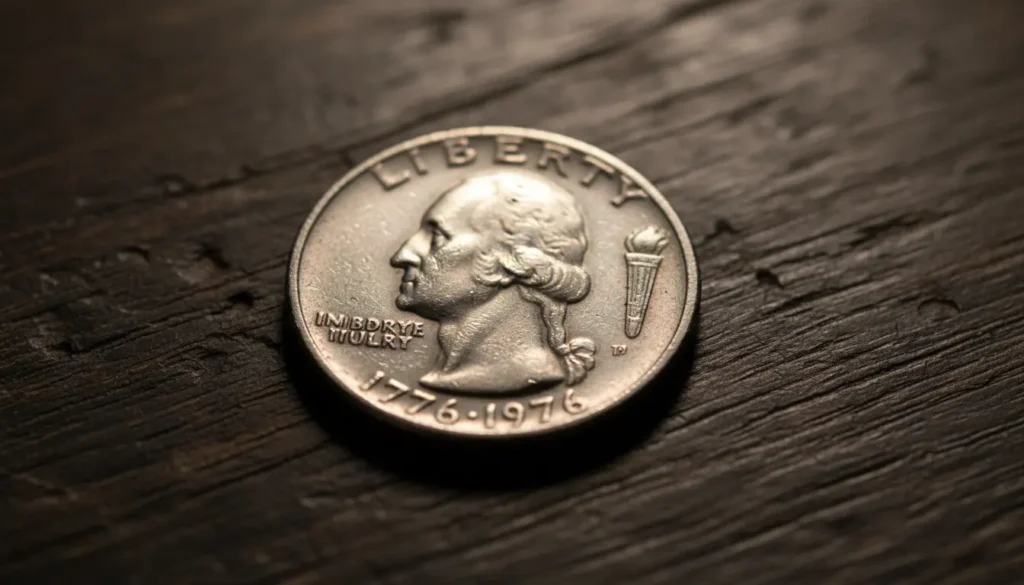
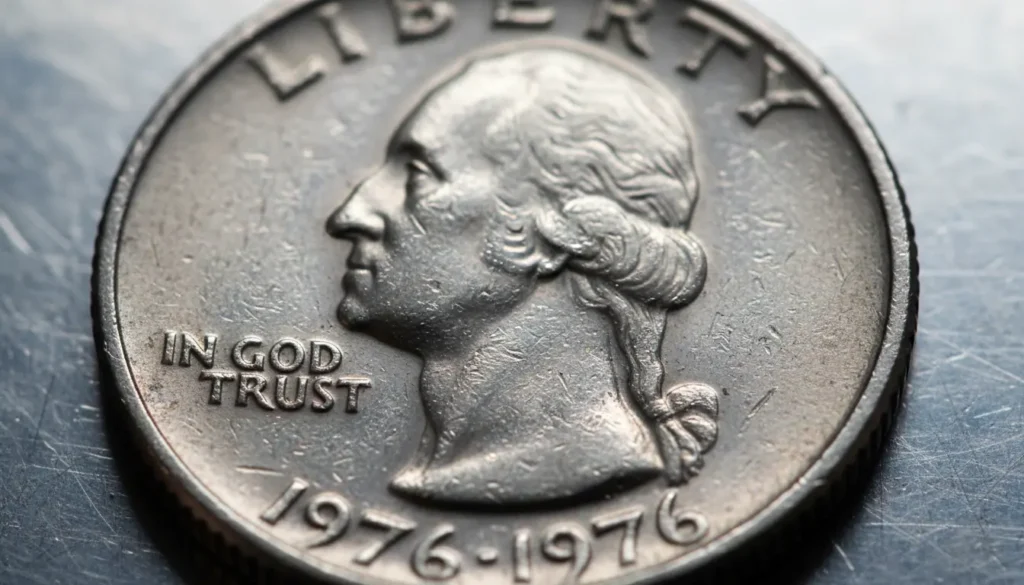
The Bicentennial quarter was issued for the United States’ 200th anniversary and carries the dual date 1776-1976 on the obverse. The reverse shows a colonial drummer and a victory torch, a design used only for the Bicentennial coinage.
These quarters were struck for general circulation and in special proof and silver-clad sets. Because so many were produced, most Bicentennial quarters are common and worth only face value or a small premium.
Could a Bicentennial Quarter Be Worth $1 Million?
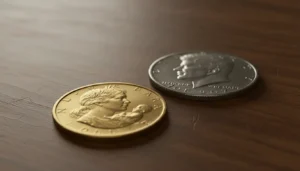
Short answer: extremely unlikely. To reach a seven-figure price, a Bicentennial quarter would need to be both unique and verifiably historical, or an extraordinary error coin with strong provenance.
Most high values in modern coins come from rare minting errors, one-of-a-kind die varieties, or historically significant provenance. For the ubiquitous 1976 quarter, those conditions are rare.
What Raises Value in a Bicentennial Quarter?
- Major mint errors (off-center strikes, clipped planchets, broadstrikes).
- Die varieties or doubled dies that are certified and scarce.
- High grade proof or mint state coins with deep cameo contrast and top-tier grading (e.g., PF/PR 70 or MS 70).
- Silver proof issues in original mint packaging and documentation.
- Exceptional provenance or connection to a notable historical event or hoard.
Common Valuable Error Types for Bicentennial Quarter
Collectors pay premiums for visible, dramatic errors. Typical valuable error types include:
- Off-center strikes — a portion of the design missing from the field.
- Clipped planchet — part of the coin blank missing due to a miscut.
- Double die obverse or reverse — visible doubling of letters or design elements.
- Broadstrike — coin struck without collar restraint, appearing larger and thin.
- Wrong planchet or wrong metal — a silver planchet in a clad production run.
How to Check Your Bicentennial Quarter
Follow these practical steps to evaluate a Bicentennial quarter in your pocket or change jar.
- Inspect the date and mint mark under a loupe (10x). Look for doubling or odd lettering.
- Weigh the coin and compare to standard quarter weights (5.67 g for clad; silver proofs differ). Significant deviations can indicate an error.
- Examine the edge for unusual features (reed count, plain edge, or signs of a clip).
- Compare to photos from reputable sources (NGC, PCGS, major auction houses).
- If you suspect an error or rarity, photograph the coin and seek opinions from specialist forums or local dealers.
When to Seek Professional Grading
If you find a dramatic error or an exceptionally well-preserved proof coin, third-party grading by PCGS or NGC is the next step. Grading gives coins an independent condition rating and increases market trust.
Consider grading when a coin appears to be worth several hundred dollars or more — the grading fees are easier to justify at that level.
Real-World Example: A Found Error Coin
A collector once examined a Bicentennial quarter with a clearly off-center strike and an unusual planchet clip. After documenting the coin and submitting it to a third-party grader, the coin received an attribution as an off-center error. That error coin attracted bids from collectors and sold at auction for a price far above face value.
Case points: dramatic visual errors, good photos, and a grading certificate are key to attracting serious buyers.
Practical Tips for Sellers and Finders
If you think you found a valuable Bicentennial quarter, follow this checklist before selling or listing.
- Do not clean the coin — cleaning can destroy value.
- Take high-resolution photos from multiple angles, including edge views.
- Get multiple opinions from reputable dealers or experienced collectors.
- Consider professional grading if experts confirm an error or high grade.
- Use auction houses or specialist error coin forums for serious listings.
How Realistic Is a Million Dollar Sale?
Million-dollar values typically apply to unique historical rarities or coins with extraordinary stories and documented provenance. For a modern mass-produced coin like the Bicentennial quarter, reaching $1 million would require an unprecedented combination of uniqueness and verified history.
While the dramatic headline is attention-grabbing, the practical reality is that most Bicentennial quarters are worth little beyond face or a modest collector premium. Still, exceptional errors and top-graded proofs can be worthwhile — and worth investigating.
Final Checklist: What to Do If You Find a Potentially Valuable Bicentennial Quarter
- Stop and photograph the coin — do not handle more than necessary.
- Compare details with reputable guides and auction archives.
- Seek a second opinion from a certified dealer or numismatic expert.
- Consider submitting the coin to PCGS or NGC for grading if experts recommend it.
- Document chain of ownership and any discovery story — provenance can help value.
Finding a Bicentennial quarter with true rarity is rare, but careful inspection and the right steps can turn a simple piece of pocket change into a valuable collectible. Keep realistic expectations, document everything, and consult professionals when a coin appears truly unusual.